The Quiet Importance of Reliability
Reliable systems often go unnoticed — but they’re the reason users trust and return to a product.
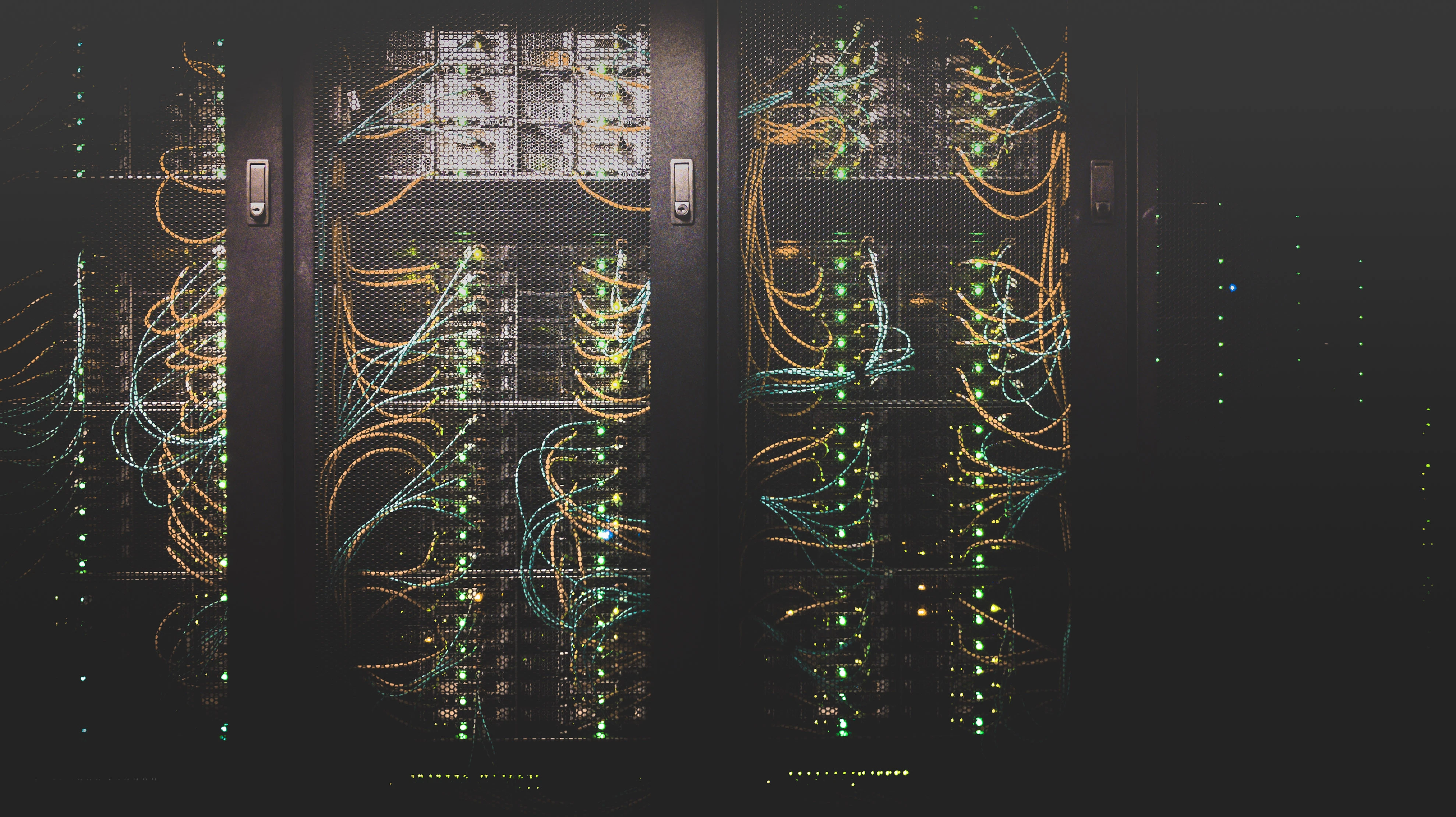
We often celebrate the flashy, highly visible aspects of software engineering: the shipping of new features, major redesigns, and AI integrations. But there is a quieter, far more critical aspect of engineering that operates in the shadows. It’s called reliability.
Trust is the Ultimate Currency
Reliability isn't just a technical metric tracked by DevOps teams; it is the fundamental foundation of user trust. When an application works exactly as expected, every single time, users don't think about it. But the moment it fails—a dropped payment, a frozen loading screen, a 500 server error—that trust instantly evaporates.
In an era of endless digital alternatives, users rarely give second chances. If your platform isn't reliable, your competitor’s platform is.
Beyond Uptime: The True Meaning of Reliability
A common trap is defining reliability simply as "uptime," boasting metrics like 99.99% availability. But true reliability is multi-dimensional from the user's perspective:
- Correctness: Does the system persistently return the right result? High uptime means nothing if the shopping cart calculates the wrong total.
- Predictability: Are response times consistent? A system that responds in 100ms on Mondays but takes 4 seconds on Fridays is not reliable.
- Graceful Degradation: When a non-critical third-party API fails (like a product recommendation engine), does the entire page crash, or does the core functionality (like checkout) survive?
"User trust is an outcome of system design, built through correctness, predictability, and effective recovery mechanisms, not just uptime metrics."
The Principles of Site Reliability Engineering (SRE)
Modern tech organizations ensure reliability by adopting SRE practices—treating operations as a software engineering problem.
- Error Budgets: Defining an acceptable failure rate (Service Level Objectives, or SLOs) and strictly halting new feature deployments if that budget is exceeded, forcing teams to prioritize stability.
- Automated Recovery: Utilizing AI and ML for proactive monitoring, anomaly detection, and automated incident response before the user ever notices an issue.
- Shift-Left Reliability: Reliability shouldn't be an afterthought. SRE practices are embedded directly into development teams, and rigorous load testing occurs early in the CI/CD pipeline.
The Invisible Feature
At Yari, we consider reliability to be the most critical feature we ship. It’s what transforms a slick user interface into a system that businesses can confidently build their operations upon. In 2024, the best software is the software you never have to think about.
Strategic Engineering Partnership
We help founders and product teams scale their technical infrastructure with precision.

